
Acworth Previous Residents by Era
The backward trail starts with whichever source fits the date. Cobb's parcel and deed systems are strongest for legal ownership. Reverse directories and telephone books can name listed occupants. Census schedules reveal households once released. Maps and permits describe a building but need another source to name a person.
| Source | Years covered | Where held | What it shows |
|---|---|---|---|
| Deed Street search | 1/1/1999 to present | Cobb Clerk Landmark | Recorded instruments keyed to street |
| Older deed chain | Series varies; county from 1832 | Deed room and Archives microfilm | Owners and legal land identity |
| Gardner directory | 1883 to 1884 | DLG and Switzer | Named residents and businesses |
| Telephone books | 1949 and February 1973 | DLG, LOC, Switzer | Subscribers and addresses |
| Regional directories | 1968, 1969, 1970, 1977 | DLG and Switzer | Householders and reverse streets |
| Sanborn map | January 1930 | LOC and DLG | Footprint, use, and number |
| Federal census | Through 1950 | NARA and library databases | Enumerated household |
| Acworth permits | Modern; start unpublished | Development and JustFOIA | Work, applicant, and contractor |
For a recent address, begin with assessor and deeds. For a mid-century home, pair the closest directory with the open census. For early land, legal descriptions and grantor-grantee books matter more than today's street line.
Start Acworth House History Today
Search the Cobb address form with house number and street only. Save current owner, parcel ID, subdivision, district, land lot, lot or block, and deed reference. Also record situs and mailing addresses separately. Different mailing and situs fields may suggest a nonoccupant owner, but they do not identify a renter.
The tax district can expose a jurisdiction problem. Postal Acworth spans more than incorporated Acworth, and some legal city parcels use Kennesaw mail. “Unincorporated Cobb” on a tax record disproves a city assumption. Legal descriptions remain stable when delivery labels change, making them crucial to a previous residents search.
Note: Homestead supports owner occupancy for one tax year, but does not name every person who shared the home.
Trace Cobb Owners Backward
Carry the present owner and deed reference to the Cobb Superior Court Clerk records search. The backward handoff is simple in theory but requires exact notes:
- Find the current owner's acquisition deed and record grantor, grantee, CFN, book/page, date, and legal description.
- Search that grantor as a grantee in an earlier period.
- Open the prior acquisition image and compare its land description.
- Repeat while the description still identifies the same parcel.
- Use cross references for corrections or releases, then move to older books or microfilm when online indexing ends.
The recorded image may include party addresses, consideration, return-to address, preparer, witnesses, and full legal description. An indexed name alone does not prove occupancy. Search spelling variants and let the office original control.
- Grantor
- The party conveying an interest in land.
- Grantee
- The party receiving that interest.
- Chain of title
- The linked sequence of recorded transfers.
- Legal description
- The land-lot, subdivision, lot, block, or boundary text identifying property beyond its mail address.
Acworth's 1999 Deed Divide
Cobb Landmark can search Street Name directly only from January 1, 1999 forward. Optional fields include number, direction, suffix, unit, city, dates, book type, start dates, and referenced name. Earlier work must shift to Name mode, Land Description, grantor-grantee books, and deed-room help.
The exact oldest book and online cutoff for every series were not published. Use Landmark's Book Start Dates control or call the Deed Room at (770) 528-1328. The Georgia Archives county-card index helps identify older Cobb microfilm.
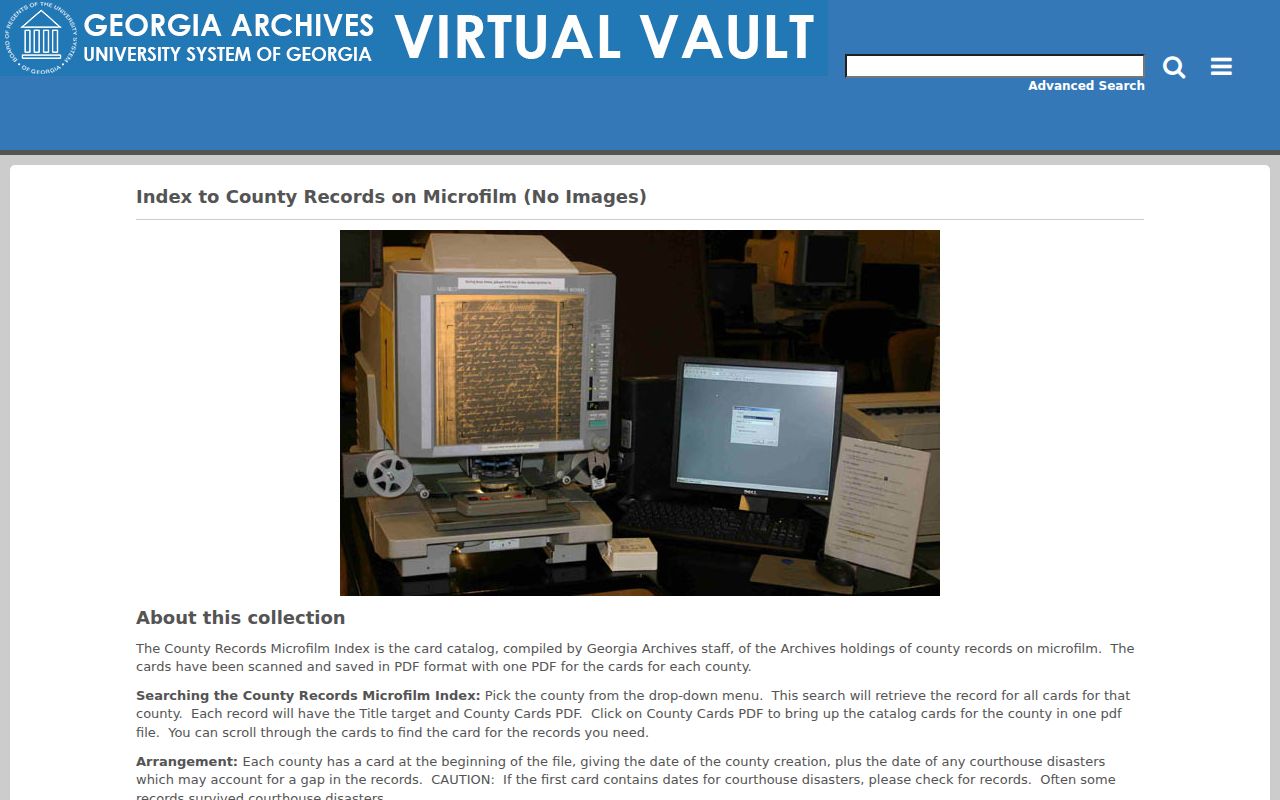
The card catalog is a bridge to older series, not a claim that every book survived or is digitized.
Acworth Records After 1864
Cobb County's archives history marks a record-loss event in 1864. Acworth itself was largely burned after Union occupation that year, affecting municipal, church, business, and family papers even when some county books survived. Archives cautions that a courthouse disaster never means every volume vanished.
Check the county cards, deed-room books, and legal citations series by series. Georgia Archives generally has county microfilm through about 1900, sometimes later when a volume began earlier. Its research services provide catalog and reference help.
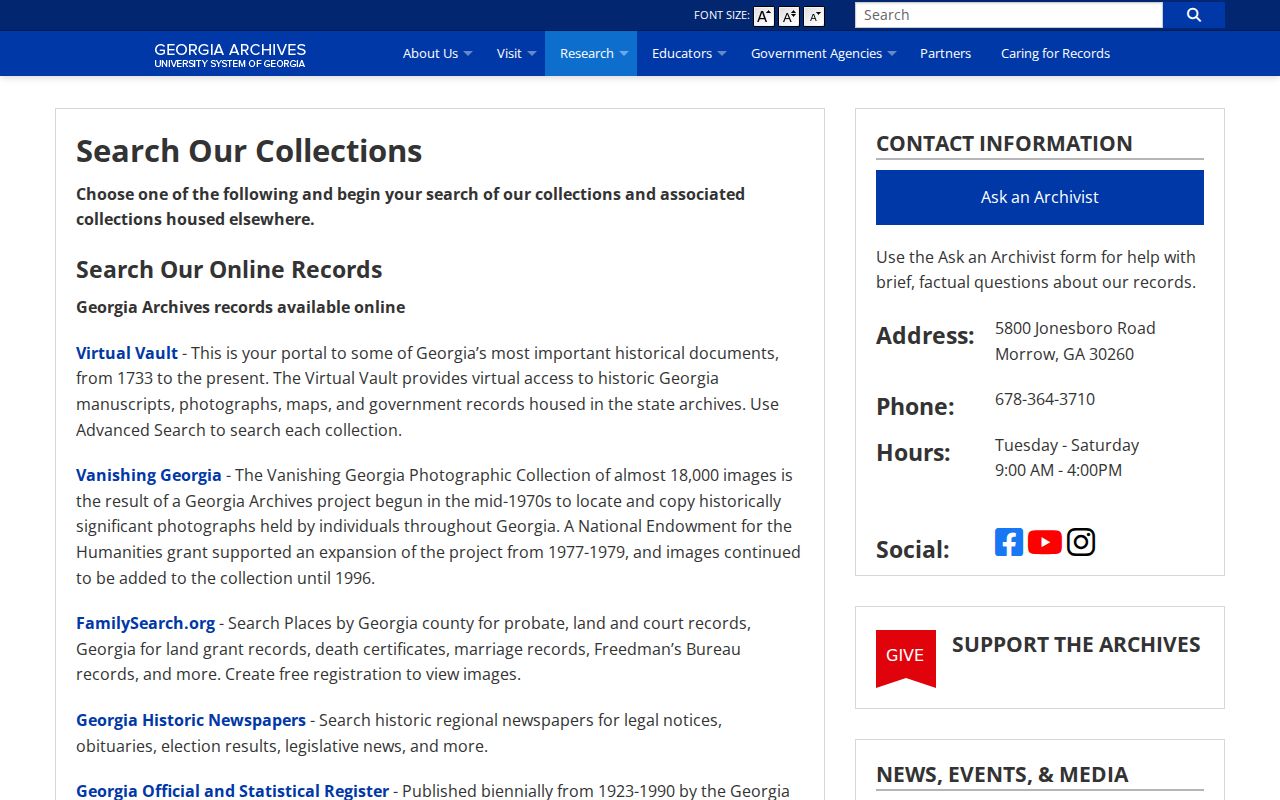
The research desk can help identify a surviving series, while the Cobb clerk remains the custodian of later originals.
Place Acworth Homes in 1930
The only authoritative Acworth Sanborn edition located is January 1930, in three sheets. It can show a building footprint, construction, use, house or block number, and water or fire context. It cannot name every occupant. Do not imply a multi-year local Sanborn run.
Search the Library of Congress Acworth map, match railroad, road, and lot context, then compare the number with a directory and deed description. Address numbering may not line up. No official citywide renumbering date was found, so record the discrepancy instead of inventing continuity.
Historic limits create another trap. The town used a half-mile depot radius in 1860 and one mile in 1870. An early “Acworth” entry may refer to the community or postal area, not modern corporate land.
Pair Acworth Directories and Census
Owners are only part of the previous residents trail. Use the 1968 to 1977 street-and-avenue guides to reverse an address, then compare the named householder with the closest open census. Pair the 1949 Southern Bell book with the 1950 population schedule. The federal 72-year rule makes 1950 the newest open census.
- Transcribe the exact directory name, title, spouse, phone, occupation, and address.
- Inspect the scan because DLG OCR is machine-generated and can misread names.
- Locate the census household by name, location, and enumeration context.
- Compare ages, relationships, and neighbors without forcing a match.
- Check the next directory year, obituary, deed, or probate file when a person disappears.
A missing listing may reflect relocation, death, marriage, loss of telephone service, or simple omission. The Acworth city directory page covers the collections themselves; the task here is linking one address backward.
The National Archives census research page explains access to population schedules.
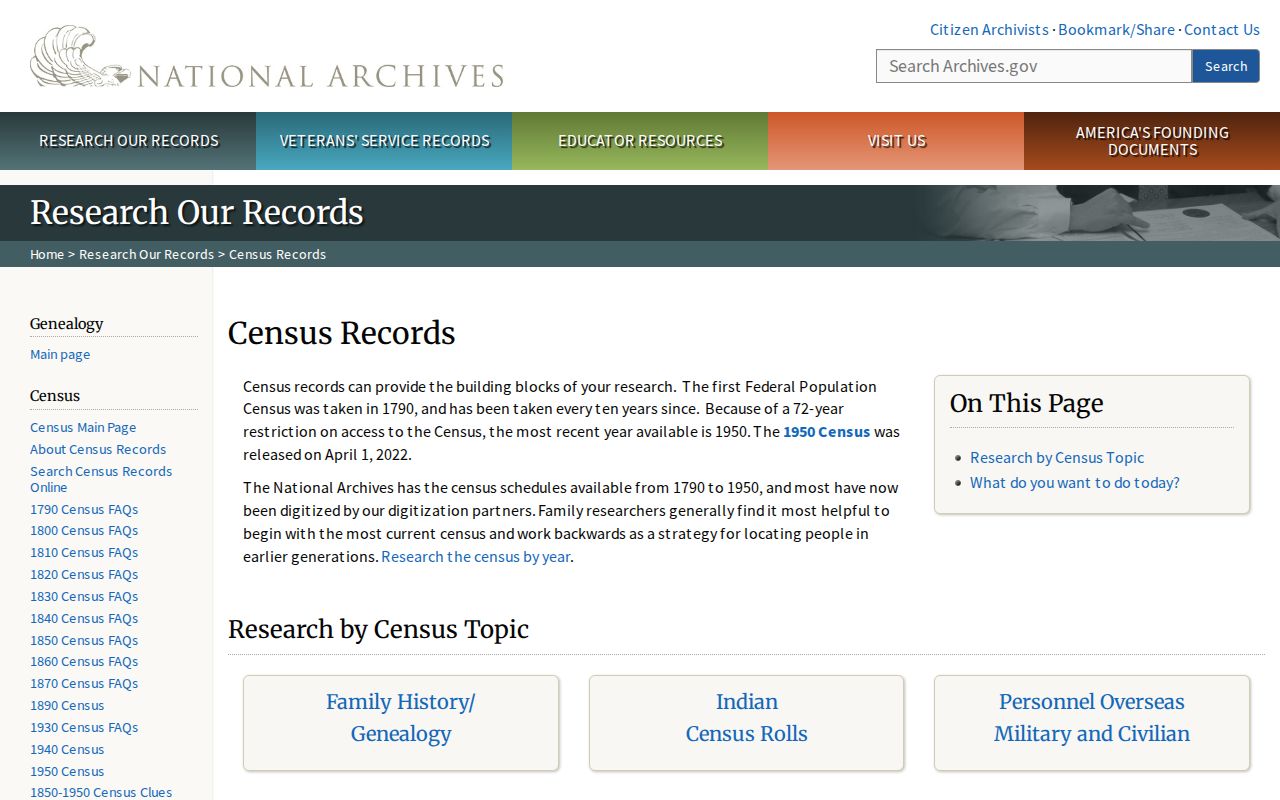
Census evidence names an enumerated household on its census date, not continuous residence between census years.
Cowen House Shows Acworth Transfers
The Cowen House offers a concrete local deed-and-probate trail. The house dates to 1854. Stephen Cowen's 1,200-acre farm was divided among heirs after his death in 1900 and left family ownership in 1918. That sequence shows why a transfer may be explained by estate files rather than a normal sale.
The city's Historic Acworth properties supplies the local chronology.
Use the narrative as a lead, then verify heirs, legal descriptions, and transfers in probate and deeds. A heritage account is not a substitute for the recorded chain.
Close Acworth Resident Trails
When a past name vanishes, search Georgia Historic Newspapers for obituaries, legal notices, weddings, and community reporting. Probate may identify an estate, will, heirs, or administrator. Liberty Hill Cemetery's interactive map can connect a burial name to a plot and possible dates. Each finding should be paired with the original custodian.
The Georgia Archives General Name File uses surname-letter packets of scanned cards that must be browsed.
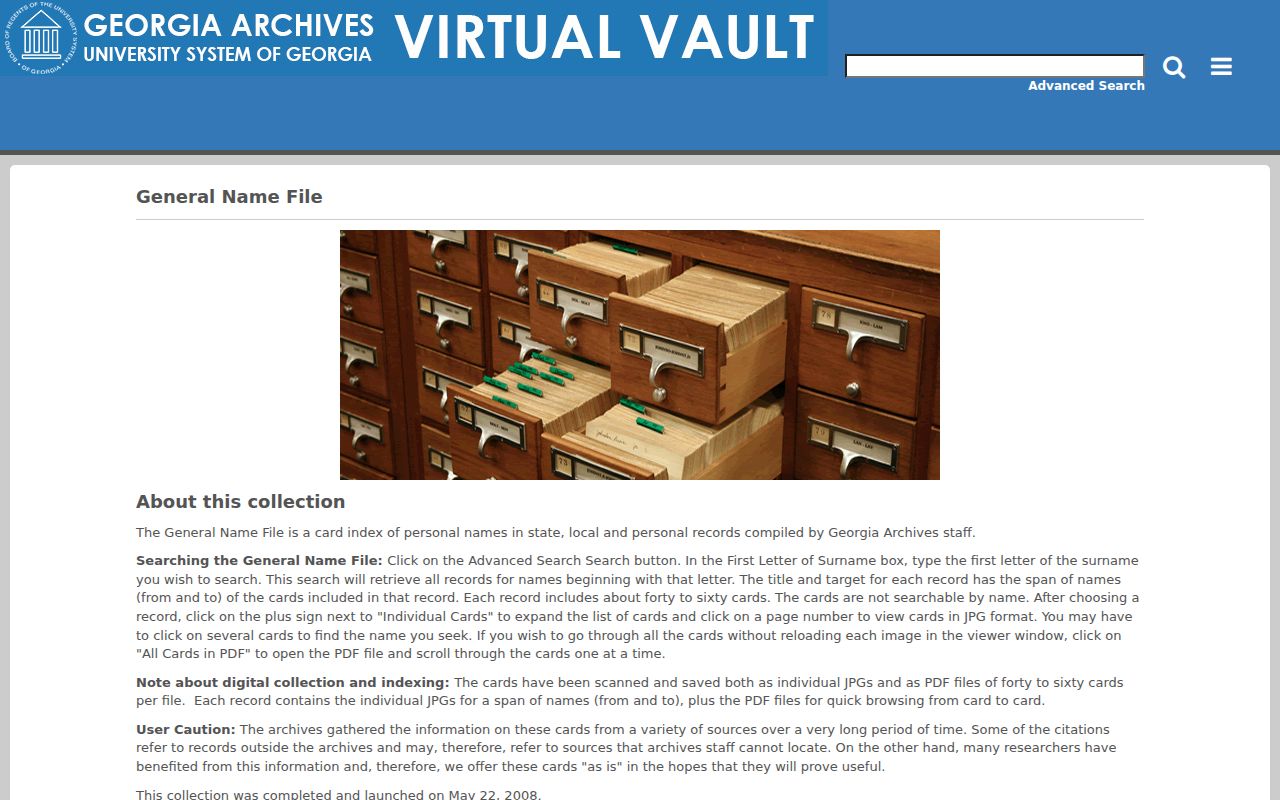
The cards can point toward an older source, but image context and spelling variants are vital. Depot Park's more than 50 oral histories can add firsthand local context, not proof of a street address.
Limits on Acworth Previous Residents
Deeds identify legal interests, directories identify selected subscribers or householders, census schedules identify enumerated households, and permits identify work participants. None should be stretched beyond that role. Protected addresses, closed records, missing books, non-subscribers, and renters can leave honest gaps.
Use house history lawfully. Research Acworth previous residents for family, estate, property, or personal history, never to track, threaten, harass, or harm a living person.
When online tools fail, use the Cobb counter, phone, or mail; the Switzer Georgia Room; Georgia Archives reference help; and focused open-record requests for existing Acworth permit series. A request should name address, parcel ID, record type, and dates. The city need not create a new occupant report.
Keep a source log with the exact image, page, book, date, and label. A blank year is not proof that nobody lived there. It means the next independent source must do the work.